Spade, Please: What Chelmsford's Allotment Waiting Lists Really Look Like in 2026
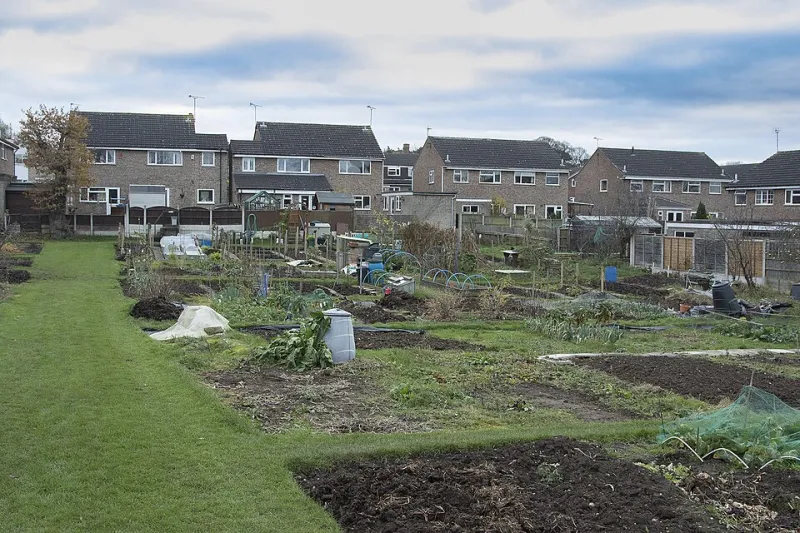
Photo: Malcolm Neal , CC BY-SA 2.0, via Wikimedia Commons
There is a particular kind of Chelmsford optimism that sounds like this: “We might put our name down for an allotment.” It is usually said in January, over a seed catalogue, with a cup of tea in hand and absolutely no memory of what happened to last year’s basil. By March, the same person is squinting at a half-price compost bin and wondering whether a plot is really a good idea.
It usually is. But it helps to know what you are joining. Chelmsford’s allotment sites are not simply rows of vegetable beds; they are small, self-run communities with their own rhythms, notices, water butts and unwritten rules. Here is a beginner’s guide to the waiting-list years, the first growing season, and the quieter alternatives if a full plot is not yet on the cards.
First, the waiting list is not a myth
The most common mistake is assuming you need to wait until spring to join a list. You do not. In fact, joining in autumn or winter can be sensible, because that is when plots tend to change hands and site secretaries start working through their lists.
Most Chelmsford allotment sites are managed either by Chelmsford City Council or by local allotment associations and parish councils. The exact process varies, so start with the council’s allotment pages and then check whether the site you like has its own association. Some lists are short. Some are measured in years. A few sites have starter plots, half-plots or raised beds for newcomers, which can move things along.
A useful habit is to ask three questions when you enquire: How long is the list currently? Do you offer half-plots? And is there a site open day or working party I could visit? That last one matters. An allotment site can look lovely on a map and feel completely different in person.
What it actually costs
Plot rents in Chelmsford are generally modest compared with the cost of a gym membership, but they are not the whole picture. There is the annual rent, sometimes a membership fee, and often a small charge for water or a key. Then come the real costs: seeds, tools, compost, a shed if you want one, and the inevitable trip to a garden centre for something you forgot.
New plot-holders often inherit a less-than-blank canvas. One south Chelmsford resident described her first plot as “a bramble maze with a charming selection of broken pots.” Clearing it took a season. That is normal. Budget for time as well as money, and do not assume you will harvest a full larder in year one.
The unwritten rules of shed etiquette
Allotment life is friendly, but it is not lawless. The first rule is simple: paths are shared. Keep your edges tidy, do not pile rubbish where a neighbour needs to walk, and remember that a wheelbarrow has right of way over most conversations.
Shed etiquette is its own small art. A shed is a private space on a public site. Borrowing a rake is usually fine if you ask. Borrowing a rake and returning it three weeks later with a broken handle is not. If someone offers you surplus courgettes, say yes; if they offer you advice, listen politely and then do what you like.
Shared water butts and taps need care. Fill your can, turn the tap off, and do not leave a hose running while you chat. In dry summers, water is a community resource, not a personal sprinkler system. The same goes for communal compost bays: add the right stuff, avoid plastic, and do not treat the bay as a general waste bin.
Why plots are about more than vegetables
Ask plot-holders what they get from the site and the answers are rarely just about food. It is the ten minutes of chat by the gate. The neighbour who lends you a dibber. The person who knows exactly when to plant broad beans in Chelmsford’s climate, because they have been doing it for thirty years.
For parents, allotments can be a surprisingly good family outing. A small bed of radishes or sunflowers gives children something to check on each week, and the site’s pace is refreshingly slow. Some sites have communal areas, picnic benches or children’s plots. It is worth asking before you join.
They are also one of the town’s quietest community assets. Nobody is selling anything. Nobody is trying to get you to sign up for a newsletter. People are simply outside, growing things, and occasionally arguing about the correct way to prune a apple tree.
While you wait: smaller ways to grow
A long waiting list is not a reason to do nothing. Chelmsford has community gardens and growing projects that welcome volunteers, often with far less commitment than a full plot. School gardens sometimes need holiday helpers. And a balcony, windowsill or small back yard can grow more than people expect: herbs, salad leaves, cherry tomatoes, chillies and even a dwarf fruit tree.
If you have a garden, consider a corner bed instead of a full allotment. Start with potatoes in a bag, lettuce in a trough and a single courgette plant. You will learn the rhythm of watering and feeding without the pressure of a site inspection.
A gentle word about patience
The waiting list diaries are not glamorous. They involve checking your email, forgetting you ever applied, and then getting a message in February that changes your weekends. When that happens, say yes. Take the plot. Buy a decent spade. Introduce yourself to the neighbours. And accept that the first year will be mostly weeds, learning and tea.
That is the real allotment bargain in Chelmsford: not a perfect harvest, but a place to stand outside, get muddy, and belong to something quietly sociable. The waiting list is just the first bit of the story.