Ladders, Bin Days and a Knock on the Door: Chelmsford's Quiet Neighbour Networks
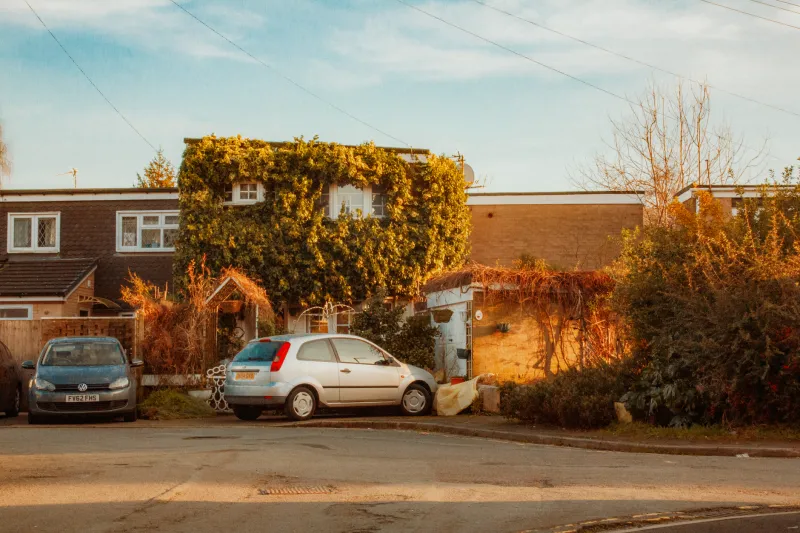
It's 8.42pm on a damp Tuesday in Chelmsford. Somewhere in Springfield, a phone lights up: 'Anyone got a ladder we could borrow for ten minutes? The gutter's doing that thing again.' By 8.54pm there are three replies, a photo of a ladder leaning against a shed, and a plan involving a torch and a neighbour called Dave.
No app, no committee, no council initiative. Just a street WhatsApp group doing what neighbours have always done — only with fewer awkward doorstep conversations and slightly more emojis.
The chat as a small piece of local infrastructure
Across Chelmsford, from the newer streets around Beaulieu to the older roads of Moulsham, the cul-de-sacs of Chelmer Village and the leafy lanes of Writtle, informal group chats have become a quiet part of everyday life. They are not official. They do not have minutes. But they do know when the recycling goes out, who has a spare key for the cat feeder, and which older resident might appreciate a knock on the door when the temperature drops.
In one Broomfield group, a message about a stray parcel turned into a rota for checking on an elderly neighbour during last winter's cold snap. In Great Baddow, a family clearing out a shed offered a stair gate to anyone who could collect it; it was gone within an hour. In Chelmer Village, the group's pinned message is simply the bin-day schedule and a reminder that the council's own website is the place for missed collections.
None of this is dramatic. That is rather the point.
Why small tends to work better than big
The groups that tick along nicely tend to be the ones with a clear edge: a few streets, a shared entrance, a block of flats, a school catchment corner. Big enough that someone will have a ladder. Small enough that you recognise the names.
Once a chat swells to hundreds of households, something shifts. The questions get vaguer, the replies get noisier, and the person asking about a dentist recommendation at 11pm gets forty responses and no actual answer. A street-level group is less like a town square and more like a kitchen table. That is its strength.
Three simple rules that keep things kind
Most of the advice below comes from admins who have learned the hard way. They are not rules for rules' sake — just small guardrails that stop a useful chat turning into a scrolling chore.
One group, one purpose. Decide at the start whether it is for practical notices, social stuff or both. A group called 'Springfield Road notices and lends' sets a clearer expectation than 'Springfield chat'. If you want a separate group for book club or running, make one.
Ask and offer, not advert and argue. Neighbourly help is welcome. Door-to-door selling, political campaigning and pile-ons are not. A simple pinned message saying 'no buying and selling, no politics, no naming and shaming' saves a lot of awkwardness later.
Quiet hours and pinned facts. Most groups settle on something like 8am to 9pm for general chatter, with emergencies always allowed. Pin the useful stuff — bin days, the name of the local councillor, the number for the council's waste team, a link to the latest roadworks. It means the same questions do not resurface every fortnight.
Starting one without becoming admin for life
You do not need a launch event. You need about eight households and a reason.
Start with the neighbours you already nod to. Set the group up with a clear name and a two-line welcome that says what it is for and what it is not for. Add a second admin before you need one. Ask people to introduce themselves with their house number and first name only — no full addresses, no phone numbers in the chat, no photos of children without permission.
Then, crucially, remember the people who are not on WhatsApp. A short note through the door — 'we have a street group, here is what it does, here is my number if you would rather text' — keeps it from becoming a clique. Some neighbours will prefer a phone call. Some will prefer to be left alone. Both are fine.
When a chat becomes a lifeline
The practical stuff matters more than we sometimes admit. A group that shares bin-day reminders is also a group that notices when a neighbour's curtains stay closed. A chat that lends ladders is a chat that can organise a lift to a hospital appointment or a spare loaf when someone is ill.
But it is worth being clear about limits. A WhatsApp group is not an emergency service — if someone is at risk, call 999. It is not a replacement for the council's official reporting tools, either. And it is not a place to share someone else's personal information, however good the intention. Ask first. Always.
The pleasantly boring win
The best neighbourhood chats are a bit dull. A bin reminder. A ladder. A 'just checking everyone's OK' at 9pm. A photo of a cat that has wandered into the wrong kitchen, followed by a knock on the right door.
They will not make headlines. But they make a street feel less like a row of separate houses and more like a place where someone will notice if you need a hand. And in Chelmsford, as anywhere, that is worth a small ping now and then.