Dear Neighbour: Chelmsford’s 2026 Christmas Card Pen-Pal Scheme Linking Pupils and Older Residents
In a year when most Christmas messages arrive as a blue tick or a group-chat emoji, a quieter exchange has been taking shape across Chelmsford. Primary pupils and care home residents have been paired up as pen pals for a handwritten Christmas card swap in 2026. No apps, no QR codes, no need to remember a password. Just a card, an envelope and, in some cases, a stamp.
How the card club works
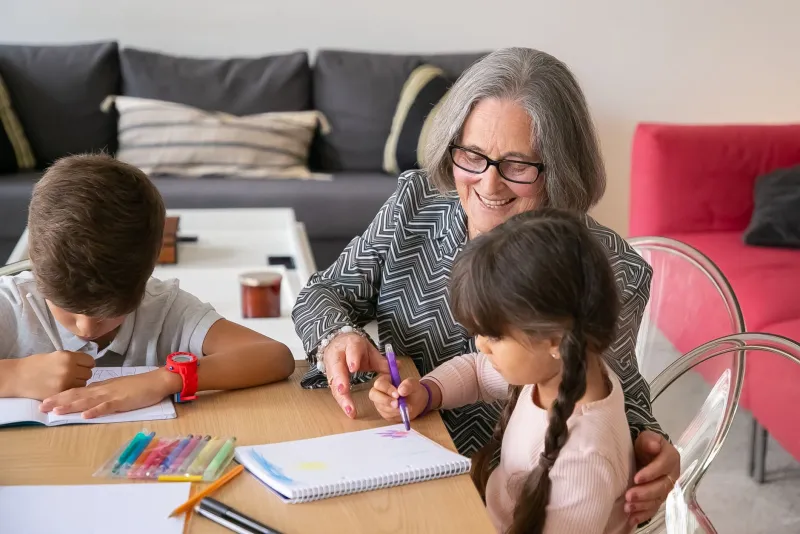
The format is refreshingly simple. Usually a teacher or a care home activities coordinator makes the first move in October. A class of around 30 children is matched with a similar number of residents. First names only are used. Children write their cards in class, staff have a quick look, and the teacher either delivers them by hand or posts them to the home.
Residents then write back, often with a little help from staff or volunteers. Some schools arrange a follow-up reading session in January, where children open the replies together. Others keep it purely postal. The schools involved this year span several Chelmsford areas, from Springfield and Moulsham to Broomfield and Writtle, and the homes range from large care settings to smaller sheltered housing schemes.
The cost is low. A box of cards, a few pens and some stamps. The safeguarding rules are straightforward: no home addresses are exchanged, cards are checked by staff, and photographs are only shared with consent. In practice, the whole thing runs on goodwill and a bit of diary coordination.
What ends up in the envelope
The cards themselves are a lovely mix of earnest, funny and unexpectedly moving. One child asked, ‘Do you have a dog? I have a hamster called Keith.’ The reply came back: ‘No dog now, but I once had a greyhound called Sprout who ate a whole Christmas pudding and slept for two days.’
Another pupil wrote, ‘I hope you get lots of presents and not socks.’ The resident replied, ‘I still have socks from 1953. They are very warm.’ One card asked, ‘What was Christmas like before TV?’ The answer was thoughtful: ‘Quieter, but the radio was a treat. We had a tin of pineapple that felt like a jackpot.’
A resident addressed a reply to ‘the young man who drew the number 47 bus’ because the child had decorated the envelope with a detailed bus. Another wrote back to a pupil who had asked about Brussels sprouts: ‘Only if they are hidden under gravy.’ And one resident finished a card with a line that probably stopped the teacher in her tracks: ‘Thank you for asking about my wife. We were married 54 years. She would have liked your drawing of a robin.’
Why it works
It is not a grand project. That is part of its charm. The scheme asks children to slow down, think about an audience and write by hand. For residents, it offers a small, personal connection that does not depend on a screen or a scheduled activity. Care home staff say the replies often spark conversations between residents, and some homes use the cards in reminiscence sessions.
Teachers like it because it fits neatly into literacy and PSHE without feeling like an add-on. Families like it because it is cheap, kind and easy to explain. And the children, predictably, like the funny bits best. A card that begins ‘Dear friend’ and ends with a drawing of a sprout in a Santa hat is doing something useful in the world.
If you want to start one before the last post
Start small. Fifteen to twenty pairs is plenty for a first attempt. Contact the care home manager or activities lead before half term and agree a simple timeline. A workable 2026 plan looks like this: cards written by the first week of December, delivered or posted by the second week, and replies returned before the schools break up.
Check Royal Mail’s last posting dates for Christmas 2026 on its website before you promise anything. As a rule of thumb, aim to have anything going through the post written and sent by the middle of December, and hand-deliver local cards where you can. If you are posting, use the school or community centre as the return address, never a child’s home address.
Keep the card design simple. First names only, large clear handwriting, and a reply slip with two or three gentle prompts such as ‘What was your favourite Christmas food?’ or ‘What did you do on Christmas Day?’ Avoid glitter if the care home advises it, and ask staff about any other practical preferences. Teachers can link the exchange to letter-writing, local history or community topics. Families can help by donating cards or stamps. Community groups can pair with sheltered housing, a church hall or a library.
The last posting date is a deadline, not the point. The point is the pause. A card is a small, sturdy thing. In Chelmsford this December, it is doing what it has always done: carrying a bit of us to someone else.